
- RNA biotypes and their relevance to gene expression studies
- How sample quality affects RNA integrity and downstream analysis
- The principles behind the most common RNA purification techniques
- Best practices for RNA sample collection, stabilization and purification across sample types
- Quality control methods for assessing RNA yield, purity and size to ensure reliable downstream analysis
- RNA-seq library preparation strategies and enrichment methods
- Key technical considerations to improve library quality and reduce bias
- Sequencing design choices, including read length, depth and cost trade-offs
- Importance of experimental design, controls and replicates
- Core RNA-seq data analysis concepts, including differential gene expression and pathway analysis
- RNA biotypes and their relevance to gene expression studies
- How sample quality affects RNA integrity and downstream analysis
- The principles behind the most common RNA purification techniques
- Best practices for RNA sample collection, stabilization and purification across sample types
- Quality control methods for assessing RNA yield, purity and size to ensure reliable downstream analysis
- Fundamentals of dPCR
- Comparing dPCR and qPCR for gene expression analysis
- How to set up a dPCR singleplex or multiplex assay for gene expression analysis
- How to interpret gene expression dPCR data
- Key quality control metrics for raw RNA-seq data and their impact on downstream analysis
- Preprocessing steps including read trimming and contaminant removal
- Comparison of alignment-based and alignment-free approaches for expression quantification
- Generation and evaluation of gene expression matrices, including post-alignment QC
- Statistical analysis, visualization and pathway interpretation of RNA-seq results
Learn and Grow: Gene expression survival course
What to expect
Don’t get lost in the RNA universe. Find your bearings with our CPD-certified gene expression survival course,
Across two core sessions and an optional bioinformatics module, the course covers key laboratory methods, critical technical considerations and analytical approaches that can be challenging to optimize in practice. In just under 2 hours, you’ll explore the methods and decision points that directly impact data quality and reproducibility in gene expression profiling. Choose one of two learning paths to earn CPD certification – RNA sequencing or digital PCR – depending on your needs. Both paths begin with best practices for RNA extraction and quality control.
Duration: Around 2 hours of online lessons, plus time to complete the knowledge test
Cost: Free

Requirements for receiving a CPD certificate
To earn an independent CPD certificate, simply complete either Learning Path I (RNA prep and RNA-seq) or Learning Path II (RNA prep and dPCR) in its entirety. The optional bioinformatics module is there if you’re curious, but it isn't required. You’ll also need to complete the knowledge test included in the course and achieve a score of 80% or higher.
Accessing the test: After you enroll, the test link will be available on the same page as the course material and will also be sent to you by email.
CPD certificate availability: After completing the requirements for your selected learning path, your CPD certificate will be emailed to you for download.
NOTE: You can earn one CPD certificate for this Learn and Grow session, even if you complete both learning paths. But don’t let that stop you: Feel free to explore both learning paths and get the most out of the course.
To earn CPD certification, choose one of two learning paths:
Path I: RNA prep + RNA-seq
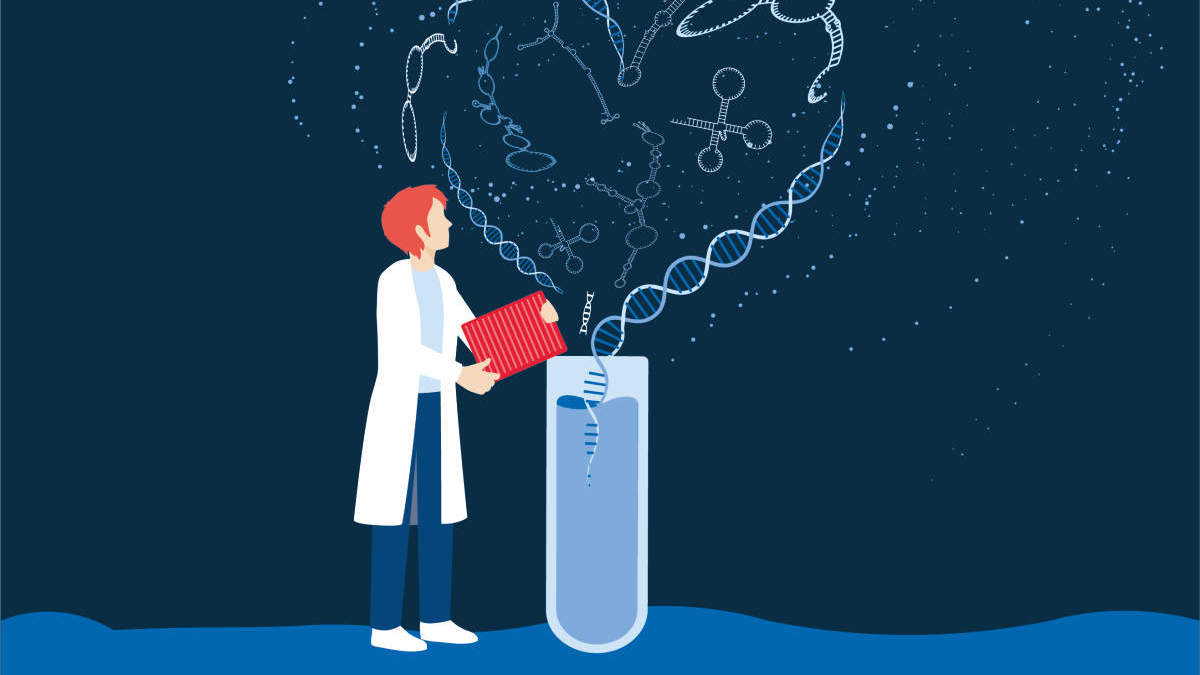
Delivered across two core sessions, a practical exploration of RNA sequencing (RNA-seq) for gene expression profiling, covering RNA isolation and quality control, RNA-seq library construction, sequencing design and core data analysis concepts.
Path II: RNA prep + dPCR
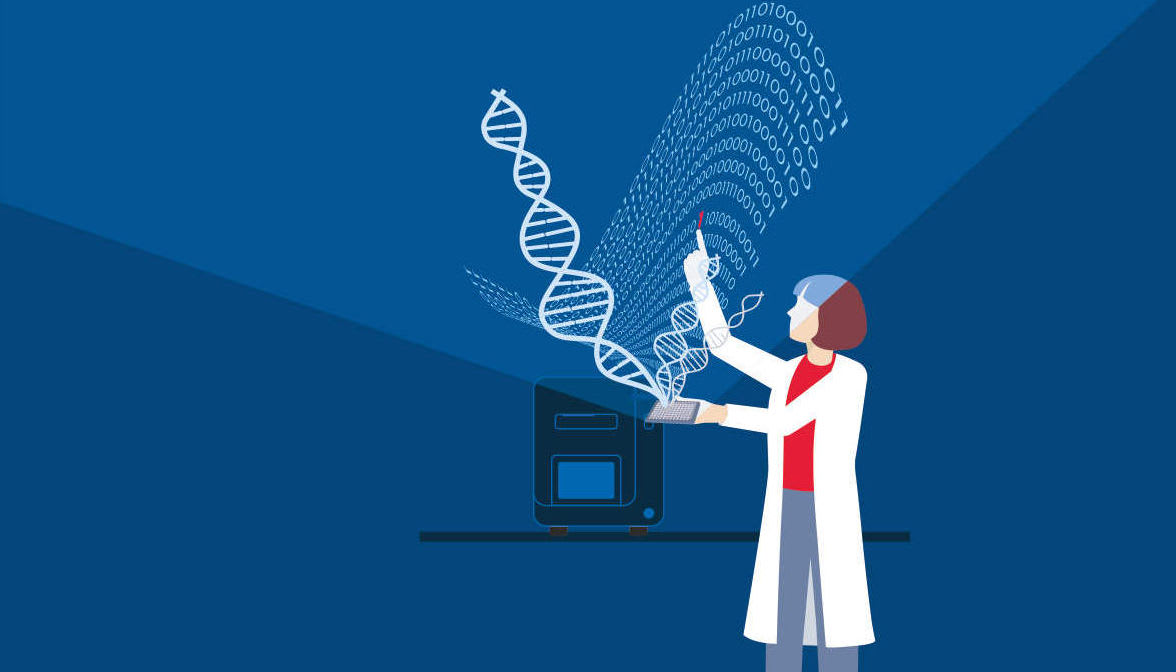
Delivered across two core sessions, a deep dive into digital PCR (dPCR) for gene expression analysis, covering RNA isolation and quality control, comparison of dPCR and qPCR, setup of singleplex and multiplex assays and data interpretation.
Optional bonus module: Bioinformatics
A more detailed introduction to RNA-seq data analysis that builds on Path I, covering raw data quality control, alignment and quantification approaches, expression analysis, visualization and pathway interpretation.
Course outline
Learning Path I: RNA prep + RNA sequencing
RNA isolation and quality control
RNA-seq for gene expression analysis
Learning Path II: RNA prep + digital PCR
RNA isolation and quality control
dPCR for gene expression analysis
Optional bonus module: Bioinformatics