
Agenda
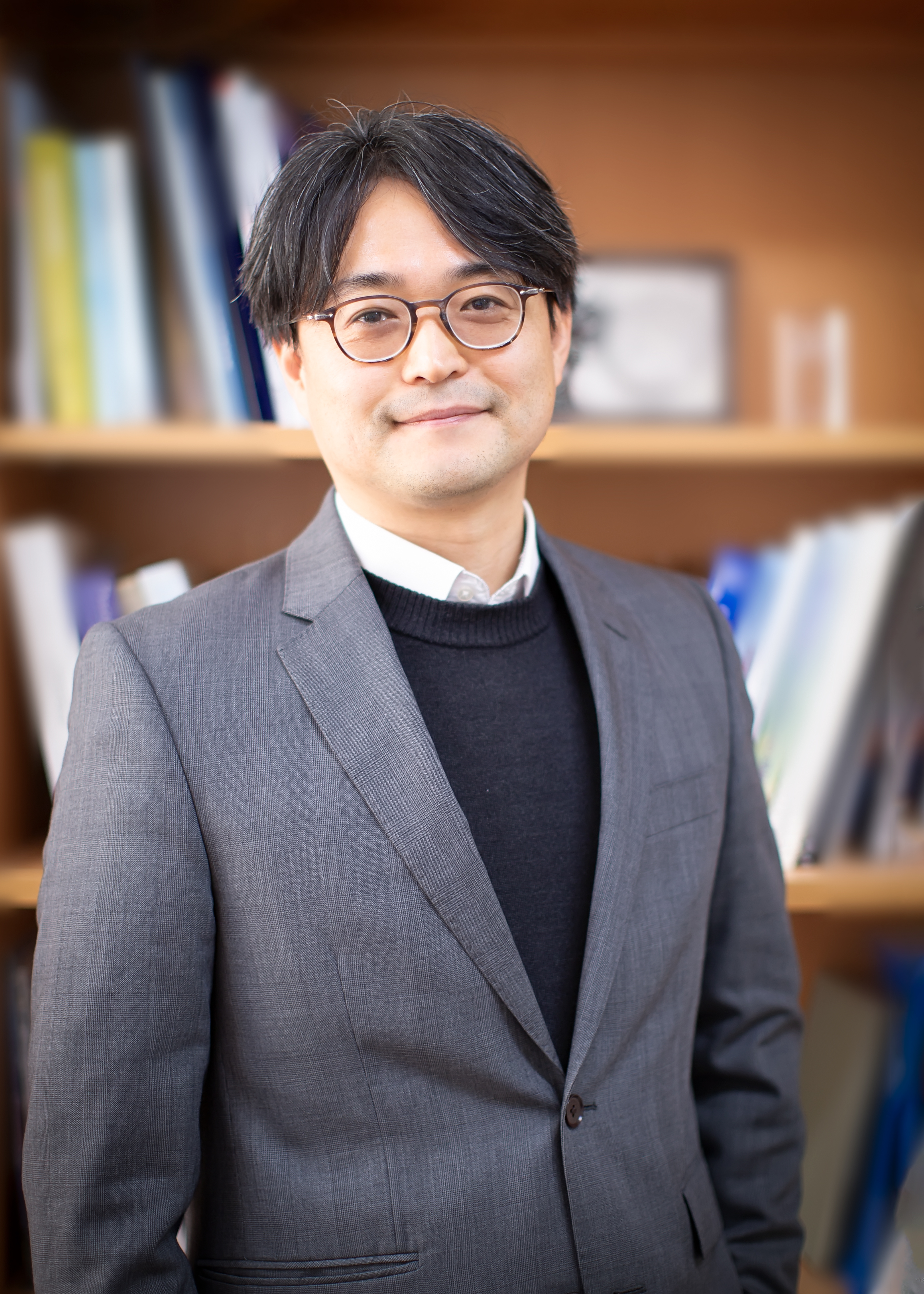
Bioprocess digital twins for advanced biomanufacturing
by Dong-Yup Lee
Scheduled for 06/17/2025
3:00 AM - 4:00 AM EDT | 9:00 AM - 10 AM CEST
The integration of Digital Twin (DT) technology is transforming various industries, and the biologics sector is no exception. As biomanufacturing processes become increasingly complex, the need for innovative solutions to enhance operational efficiency and ensure reliable product supply is critical. This webinar, titled "Bioprocess Digital Twins for Advanced Biomanufacturing," explores the rapidly evolving field of bioprocess digital twins and their pivotal role in shaping the future of modern biomanufacturing.
A bioprocess digital twin bridges the physical biomanufacturing system with its digital counterpart through real-time monitoring and data collection. This connection facilitates interactive communication between the two, allowing for significant advancements in process control and optimization. The webinar will show how DT technology is realized through the development and application of cutting-edge technologies, including in line monitoring, advanced soft sensors, sophisticated data management systems, and state-of-the-art data analytics powered by artificial intelligence (AI) as well as advanced process control for automation.
Key topics in this seminar include the use of machine learning and deep learning algorithms for multi-step ahead forecasting of cell culture performance, and the development of genome-based mechanistic models of Chinese hamster ovary (CHO) cells for real-time simulation. By combining these elements, the DT platform can effectively mirror the behavior of bioprocess systems under various conditions, helping identify bottlenecks, optimize process parameters, and suggest strategies for improved efficiency and efficacy.
Join us to explore the latest achievements and ongoing efforts in bioprocess digital twins as well as their current limitations and challenges and discover how these innovative approaches can revolutionize the future of biomanufacturing.
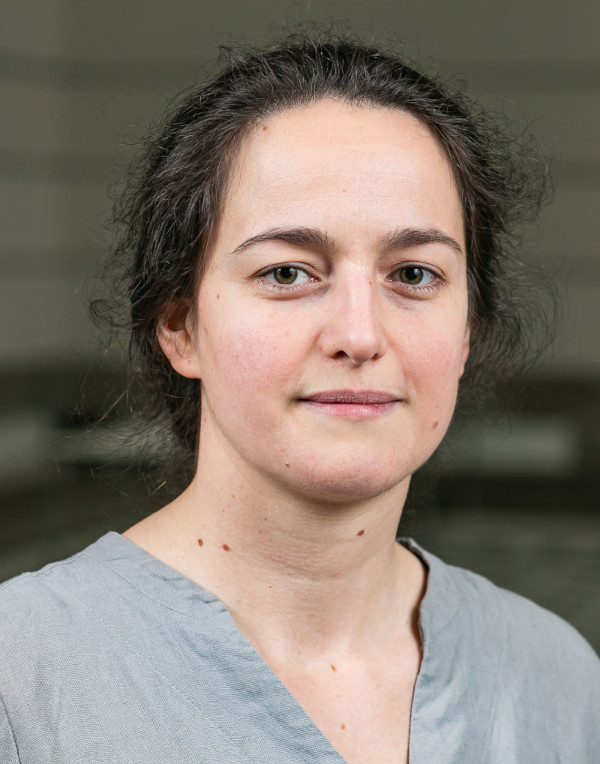
Advances in biocatalytic nucleotide and nucleoside synthesis
by Sarah Westarp
Scheduled for 06/17/2025
9:00 AM – 10:00 AM EDT | 3:00 PM - 4:00 PM CEST
Nucleosides and nucleotides are central molecules in life. The fact that polymers of such nucleotides form DNA and RNA, which store our genetic information, is not the only reason for that. For example, certain nucleosides and nucleotides influence functionality and fitness of the mammalian immune system. To maintain a healthy state, an intricate balance of those molecules must be kept. Enzymes that are involved in this process are for example purine nucleoside phosphorylase, and nucleoside- and nucleotide kinases. Disease like cancer or viral infections cause this balance to be disturbed. In order to fight those diseases, nucleoside- and nucleotide analogues can be used to inhibit the ill-regulated enzymes. This puts this kind of fine chemical at the forefront of modern cancer therapy and in the fight against viral infections.
Unfortunately, efficient synthesis of these analogues is challenging for synthetic chemistry. Lengthy synthesis routes and low atom economy are the indicator for this. The complications are caused by the high density of functional groups in nucleosides and nucleotides. To solve this issue, biocatalysis aims at harnessing nature’s ability to maintain high regio- and stereospecificity even with this kind of challenging molecules. To this end, the very same players that work on nucleoside and nucleotides in living organisms are applied in biocatalytic cascade reactions. The challenges of biocatalysis lie in the need to identify suited biocatalysts for a given process, low substrate solubilities and limited options to set up high-throughput screening for a wide range of interesting products.
Our group and close collaborators have developed automatable high-throughput screening methods for specific applications. In the webinar, these publications will be presented in the context of how they help to make the enzyme screening more sustainable.

Artificial cell-based continuous flow biocatalysis
by Avinash Patil
Scheduled for 06/17/2025
11:00 AM – 12:00 PM EDT | 5:00 PM - 6:00 PM CEST
The development of continuous flow biocatalytic processes comprising multienzyme reactions has generated great interest in the synthesis of fine chemicals and pharmaceutical agents under ambient and environmentally benign conditions.
Biological cells utilize compartmentalization and reaction-diffusion processes to facilitate the confinement of organelles and spatiotemporal regulation of a diverse array of complex biochemical transformations, respectively. In our recent studies, we have developed a range of membrane-bound and membrane-less artificial cell models (protocells/synthetic cells) exhibiting a variety of biomimetic properties, for example, selective molecular update, enzyme catalysis, locomotion etc. This presentation will show the design and construction of three-tiered membrane-bound coacervate vesicles comprising a semipermeable organic/inorganic outer membrane, a submembrane encompassing the coacervate phase, and an internal aqueous lumen. A range of enzymes can be sequestered into the coacervate phase whereas the outer semipermeable hybrid membrane facilitates selective diffusion of substrates and products. By mounting millions of enzyme-containing hybrid coacervate vesicles in a glass column, we demonstrate a facile, cost-effective, and modular methodology for the fabrication of protocell-based continuous flow reactors for biocatalysis. Significantly, the presentation will show that our approach can be readily extended to whole cell biocatalysis by enveloping and proliferating bacterial cells (Lactococcus lactis, L. lactis) within the semipermeable membranes of hybrid coacervate vesicles. Taken together, our results provide a step towards the engineering of protocell-based continuous flow systems for the development of green and sustainable industrial biochemical processes.